
Your electrical components must provide perfect insulation, precise dimensions, and absolute reliability. When injection molded parts fail these requirements, circuits short, systems malfunction, and safety hazards emerge. Substandard components risk equipment damage, operational failures, and compliance violations.
Polymar-ASM delivers specialized thermoplastic solutions for electrical and electronic applications throughout the Northeast. From high-voltage insulators to precision enclosures, our injection molding expertise meets the exacting standards electrical systems demand. Over 40 years of experience means we understand both the science and safety of electrical components.
Electrical components require more than basic plastic properties. Your parts must maintain dielectric strength, dimensional stability, and thermal management that meet strict safety standards.
Professional electrical component manufacturing addresses critical requirements:
Our team combines polymer engineering with electrical application knowledge to create components that protect and perform reliably.
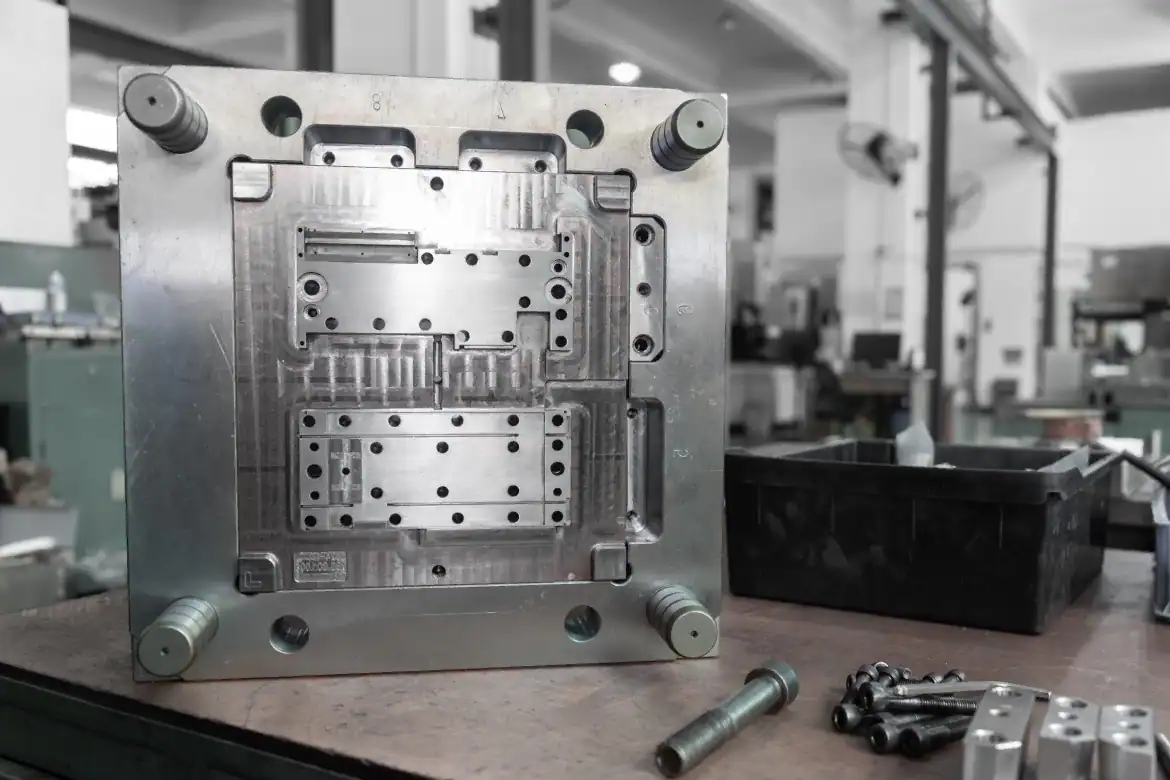
Polymar-ASM produces fundamental thermoplastic parts for electrical systems:
Manufacturers encounter recurring issues with plastic electrical components:
Our material selection and processing expertise prevents these failure modes through proper engineering.
Electrical components demand specialized thermoplastics with proven properties:
We guide material selection based on voltage, temperature, and environmental requirements. Experience with electrical applications prevents costly material mistakes.
Electrical applications require documented quality control throughout production:
These measures provide confidence in component safety and performance for critical applications.

Specialized techniques produce superior electrical components:
Electrical component success requires specialized manufacturing expertise beyond general molding:
Stop risking electrical failures with questionable plastic parts. Work with injection molding experts who understand electrical requirements and deliver components that protect, perform, and comply.
Our precision thermoplastic solutions help electrical manufacturers build safer, more reliable systems with improved performance and reduced liability. Quality components support your success from prototype through production.
We conduct dielectric strength testing based on component requirements, typically following ASTM D149 procedures. Testing validates insulation properties meet specified voltage ratings with appropriate safety margins.
Yes, we work with conductive compounds and metalized plastics providing electromagnetic interference shielding. Our engineers help optimize shielding effectiveness balanced with other component requirements.
Absolutely. Our prototype capabilities include soft tooling for initial testing and bridge tooling for pre-production validation. Quick turnaround supports your development timeline requirements.
Our ESD-safe manufacturing protocols include grounded equipment, dissipative flooring, and controlled packaging. Components sensitive to static receive special handling throughout production and shipping.
Extensive experience includes components exposed to weather extremes. We specify materials with UV stability, moisture resistance, and temperature cycling capability meeting NEMA enclosure ratings.