
Every industry that requires thermoplastic services has different needs. What works in medical devices won't cut it in automotive and what passes in construction might fail catastrophically in fluid transfer systems. At Polymar, we've spent 40 years figuring out these differences.
We don't do cookie-cutter solutions. When companies need custom thermoplastic solutions, they come to us because we actually understand their industry. Fluid transfer pumps operate differently than automotive window clips and construction spacers face different stresses than electrical insulators.
Four decades taught us that every industry has its own rules.
Most molding shops say they can handle anything. Reality tells a different story. Materials crack under stress, parts warp during cooling, and tolerances shift between batches. We prevent these failures by understanding your application before we start molding.
Here's what four decades taught us: every application is different, and you can't use the same approach for everything. Medical parts need FDA compliance while automotive components face temperature swings and chemical exposure. Industrial equipment gets beat up daily with loads and stresses that would destroy other applications.
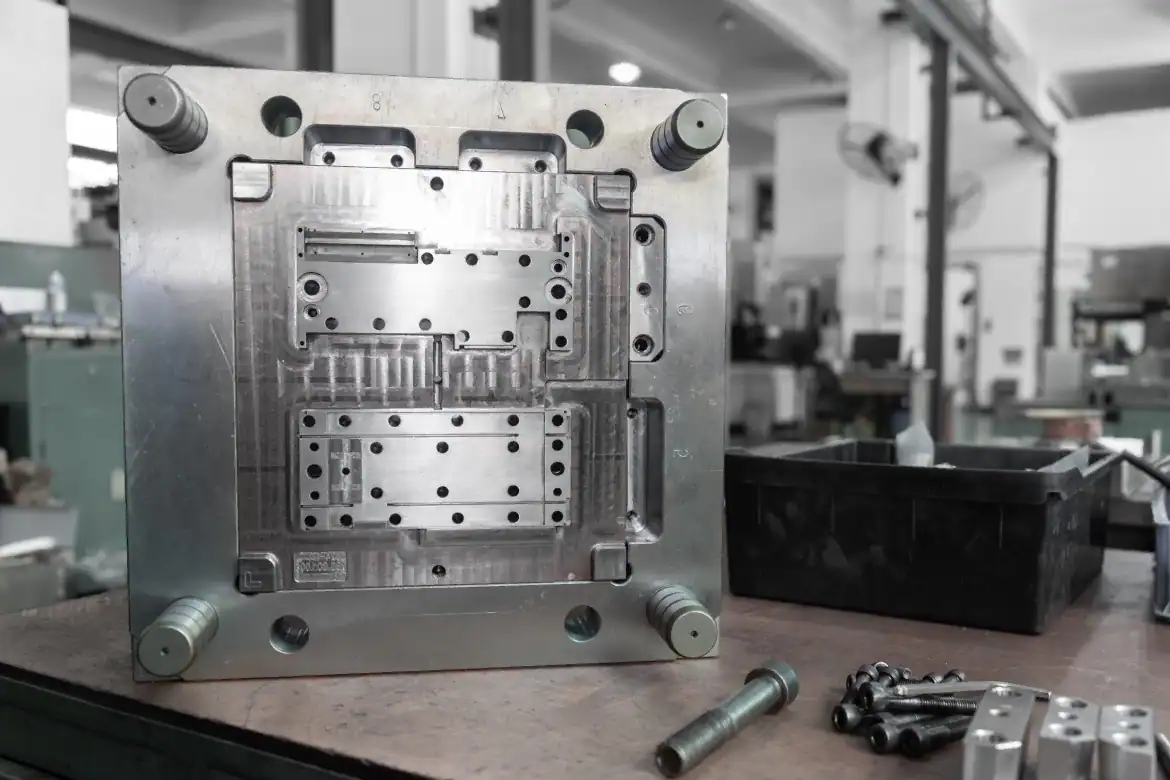
We start every project with detailed questions that matter. Where will these parts operate? What temperatures will they see? What chemicals might they contact? How much stress and what kind of loads? These details determine everything else about material selection and processing.
We document every single parameter. Temperature settings, pressure readings, cycle times, all of it gets recorded. Sounds tedious, but this documentation makes sure part 50,000 matches part 1 exactly.
We don't just mold parts and ship them out. Most custom applications need additional work like metal inserts, assembly, secondary operations, and specialized packaging. We handle all of it under one roof.
Sometimes custom means really custom - weird geometries, unusual materials, tight tolerances in odd places. Our manufacturing services include fluoropolymer processing and specialty thermoplastic capabilities that most shops won't even attempt.
Simple answer: we make their lives easier. Complex answer: we've seen enough different applications to know what works and what doesn't.
We keep common thermoplastic resins in stock. Simple custom parts take 2-3 weeks. Complex assemblies with specialized tooling need 6-8 weeks. Rush jobs? We make them work too.
The data tells the story. Plastics manufacturing employment grew 1.2% annually between 2010 and 2020 while overall manufacturing only grew 0.6% according to Bureau of Labor Statistics tracking.
Engineering thermoplastics keep replacing metal components because they're lighter, resist chemicals better, and process more efficiently. Industries adopt custom thermoplastic solutions to get performance improvements while cutting costs.
This trend benefits companies that nail their material selection and processing. Custom thermoplastic work keeps growing because engineers prefer these materials over alternatives.
Here's how this works. You tell us what you need. We figure out the best approach by determining the right materials, processing, timeline, and costs.
Custom projects require prototype development before production tooling. Complex assemblies with multiple materials or secondary operations need additional development time based on specific requirements.
Our custom thermoplastic work scales from prototype validation to millions of parts annually. Same quality systems whether you need 100 pieces or 100,000.